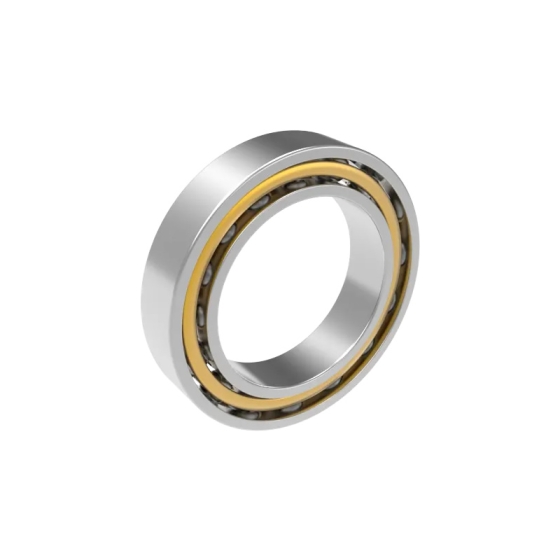
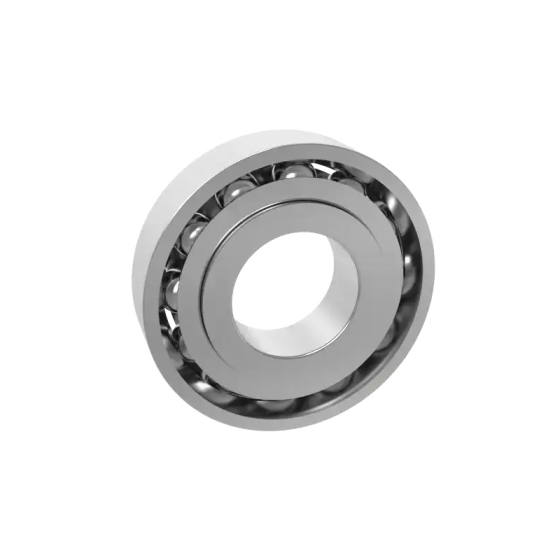
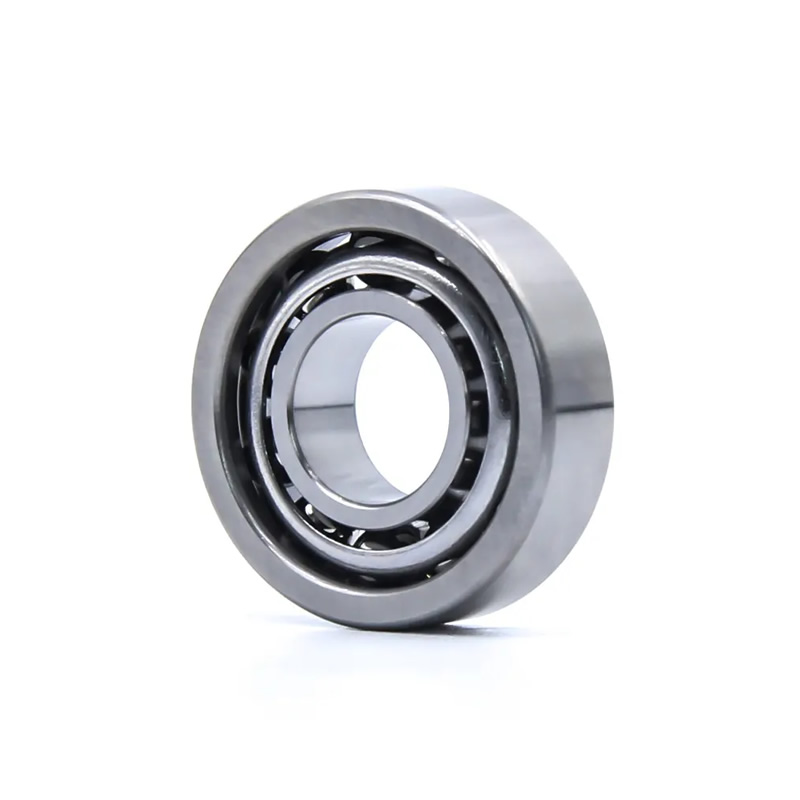
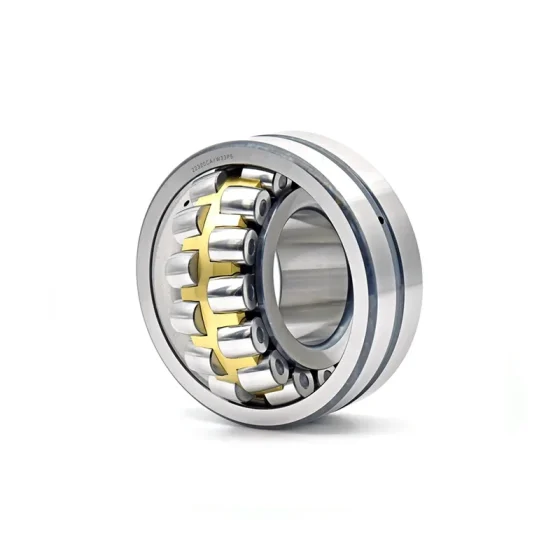
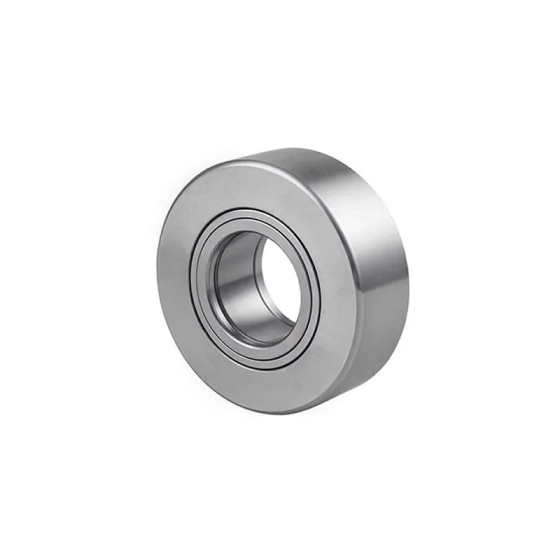
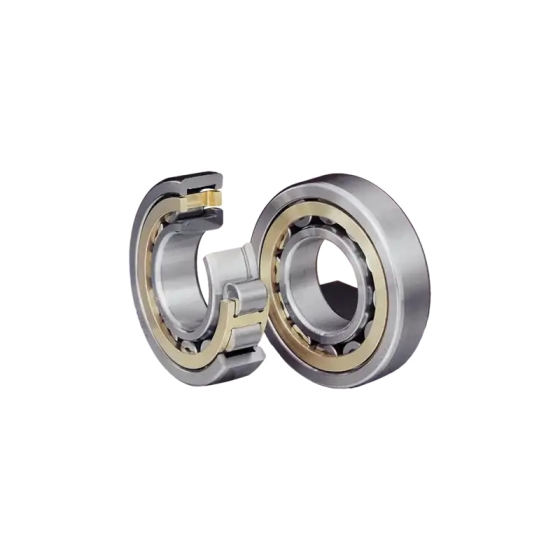
 Roulement XUAB

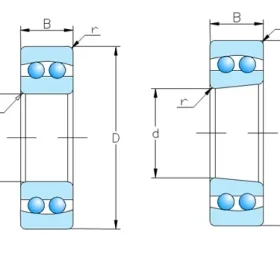
Product Parameters
| Parameter Category | Parameter Item | Parameter Value | Unit |
|---|---|---|---|
| Basic Dimensions | —— | ||
| Inner Diameter | 100 | mm | |
| Outer Diameter | 215 | mm | |
| Thickness | 73 | mm | |
| Performance Parameters | —— | ||
| Dynamic Load (Cr) | 109.8 | kN | |
| Static Load (Cor) | 49.95 | kN | |
| Limiting Speed | 1800 | r/min | |
| Additional Information | —— | ||
| Weight | 9.5 | kg | |
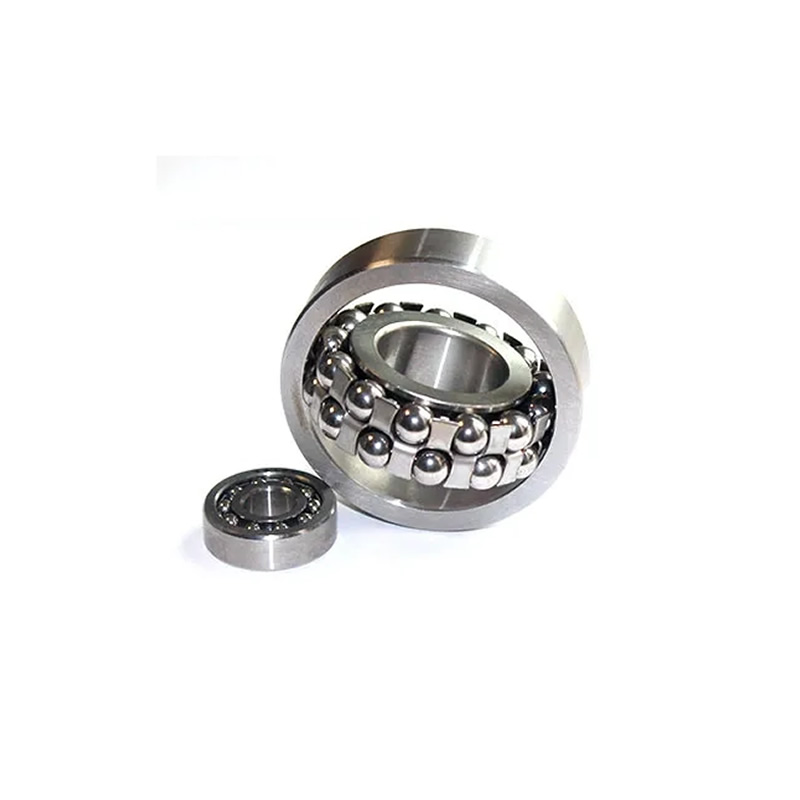
Stainless steel self-aligning ball bearings are manufactured from stainless steel, offering excellent resistance to rust, moisture and mild acid and alkali corrosion. They operate reliably in environments containing water vapour, salt spray, or in clean or mildly corrosive conditions, are resistant to rust and oxidation, and have a significantly longer service life compared to standard carbon steel bearings. Their double-row ball and spherical raceway design provides excellent self-aligning capabilities, effectively compensating for misalignment between the shaft and housing bore, shaft deflection or installation errors that cause off-centre loading. This results in smoother operation, lower vibration and noise levels, and greater adaptability. With a compact overall structure, flexible operation and low frictional resistance, these bearings can withstand radial loads and minor bidirectional axial loads. They are suitable for low to medium-speed applications where concentricity requirements are not stringent and rust and corrosion protection are required. They are widely used in food machinery, textile equipment, cleaning machinery, light industrial transmission, water treatment and small-scale transmission mechanisms in humid environments. Combining corrosion resistance, self-aligning capability and operational stability, they are simple to install and maintain, effectively reducing equipment failures and maintenance frequency whilst enhancing overall operational reliability.